Services

From the database up to the interface.

We design and build the software a business runs on, and we keep the systems underneath it working. The same team handles the architecture, the code, the data, and the support.

  • Application development
  • Systems design
  • Data & AI
System architecture Fig. 01
A three-layer system architecture with AI integrated across it Interfaces connect down to applications, which connect down to data. An AI integration rail is linked to all three layers. Interfaces WEB APPS · INTERNAL TOOLS 01 Applications WORKFLOW · INTEGRATIONS 02 Data SCHEMAS · REPORTING 03 AI INTEGRATION
Designed as one system, not four.
01

Application development

Software built around the way your business actually works.
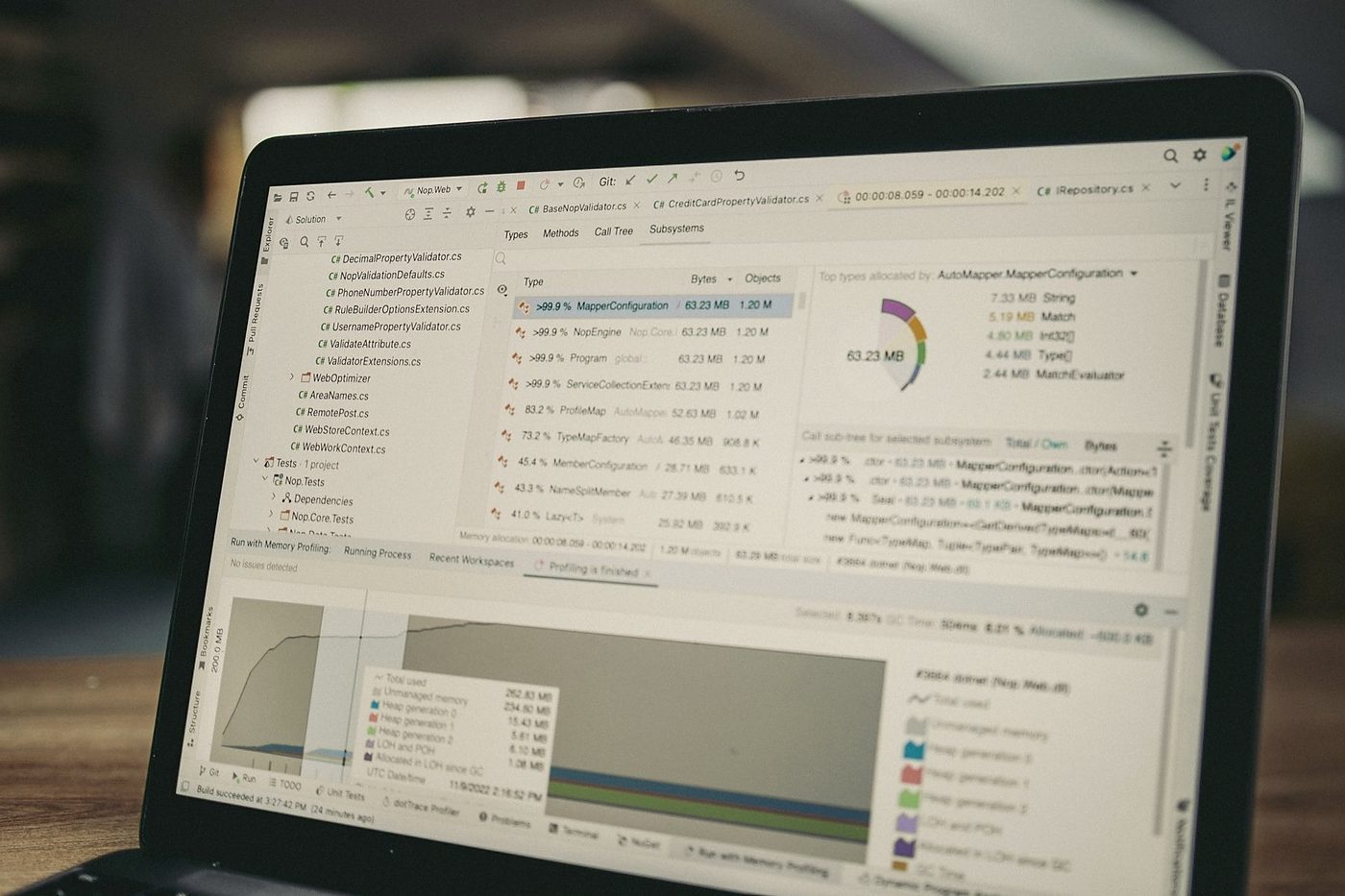
Close-up of a laptop screen showing application profiling software

We build web applications and internal tools that replace spreadsheets, manual handoffs, and software that no longer fits the business. Each project starts with the workflow — who does what, where decisions get made, where time is lost — and only then moves to the stack.

We integrate with the systems already in place rather than asking you to start over. Where a legacy application still works, we extend it. Where it doesn't, we design a path off it that doesn't stop the business.

What we build

  • Internal operations tools
  • Customer-facing web applications
  • Workflow automation
  • API and third-party integrations
  • Legacy application modernization
  • Reporting interfaces
Good fit when you've outgrown an off-the-shelf product — or you're maintaining something nobody can safely change anymore.

02

Systems design

Architecture and integration planning before anyone writes code.

Black-and-white photograph of a modern building's geometric facade

Architecture is the set of decisions that are expensive to reverse. We help you make them deliberately: how systems connect, where data lives, which platforms to commit to, and what to leave alone.

The work is often as much organizational as technical. We map current systems and data flows, identify constraints, and produce a design your team can actually operate — with the trade-offs written down.

What we deliver

  • Current-state assessment
  • Target architecture
  • Integration and data-flow design
  • Platform and vendor evaluation
  • Migration and rollout planning
  • Documentation your team can use
We're aware that "new" doesn't necessarily translate to better. Sometimes the right recommendation is to keep what you have.
03

Databases & data

Data models that hold up after the first year.

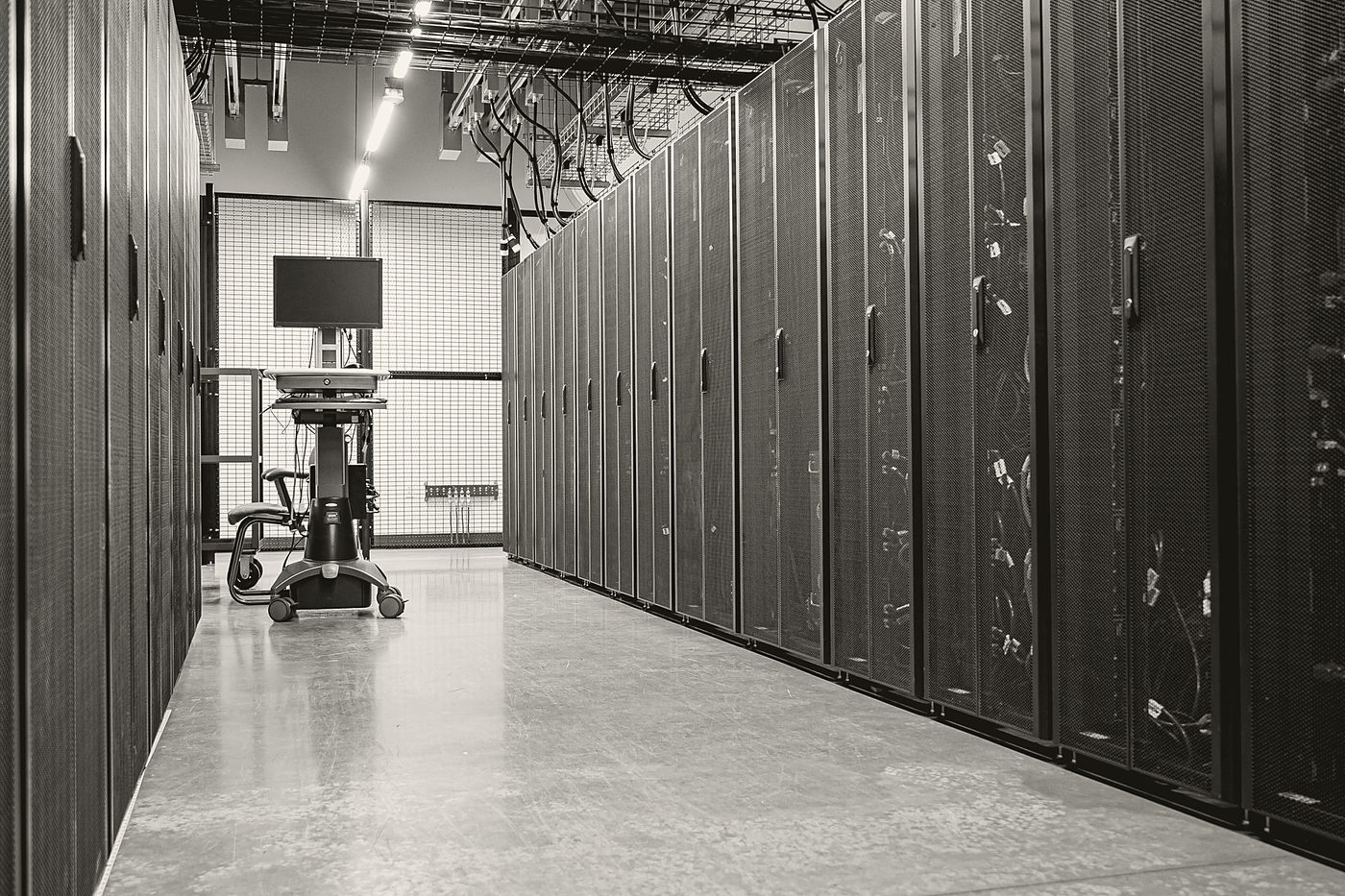
Black-and-white view down a data center aisle lined with server racks

Data outlives applications. We design schemas and data flows that stay coherent as systems are added, replaced, and connected — and we fix the ones that have become a liability.

That includes tuning slow queries, stabilizing messy migrations, building reporting the business can trust, and making sure the same fact isn't stored five different ways.

What we do

  • Database design and review
  • Performance tuning and indexing
  • Migrations and upgrades
  • Reporting and operational visibility
  • Data quality and integration
  • Backup and recovery planning
We've been designing databases since before "the cloud" had a marketing budget. The fundamentals haven't changed.
04

AI integrations

AI where it earns its place.

Applied AI · one workflow at a time

How an AI integration runs

  1. 01

    Your workflow

    Documents, tickets, records, research.

  2. 02

    Model + guardrails

    Retrieval, permissions, evaluation.

  3. 03

    Human review

    Approval, exceptions, audit trail.

Most AI projects start with the model and end with a demo. We start with the workflow: where time is lost, where judgment is required, and where a wrong answer would be expensive.

Then we build the smallest integration that helps — connected to your data, bounded by permissions, and instrumented so you can see what it did. A person stays in the loop wherever it matters.

What we build

  • Document and data extraction
  • Search and Q&A over internal knowledge
  • Drafting and review assistants
  • AI-assisted workflow automation
  • Integration into existing applications
  • Evaluation and guardrail design
We won't connect a model to your data and call it innovation. If AI isn't the right answer, we'll say so — and if it is, we'll start with one workflow and measure it.

How a project runs

A straight line from problem to support.

No discovery theatre. We keep the scope small enough to see, and the documentation good enough to hand over.

  1. 01

    Listen

    A conversation, not a sales deck. We map what you have, what's failing, and what it costs.

  2. 02

    Design

    A written plan with options, trade-offs, and a realistic sequence.

  3. 03

    Build

    Small, reviewable increments, with progress you can see.

  4. 04

    Support

    Documentation and a maintenance path, because launch is the middle, not the end.

Existing clients

Support for the systems already in place.

MAXIM continues to service the phone systems, cabling and network installations, and desktop environments our clients depend on. Same team, same numbers.

  • Business phone systems

    Configuration, moves, adds, changes, and troubleshooting for supported systems.

  • Structured cabling & network installs

    New runs, office moves, rack and patch work, and network equipment installs.

  • Desktop & network support

    Ongoing support for the desktops, servers, and networks your business runs on.

Next step

Not sure which of these you need?

Most projects start as a conversation about a problem, not a service name. Tell us what's getting in the way and we'll point you toward the right first step.